
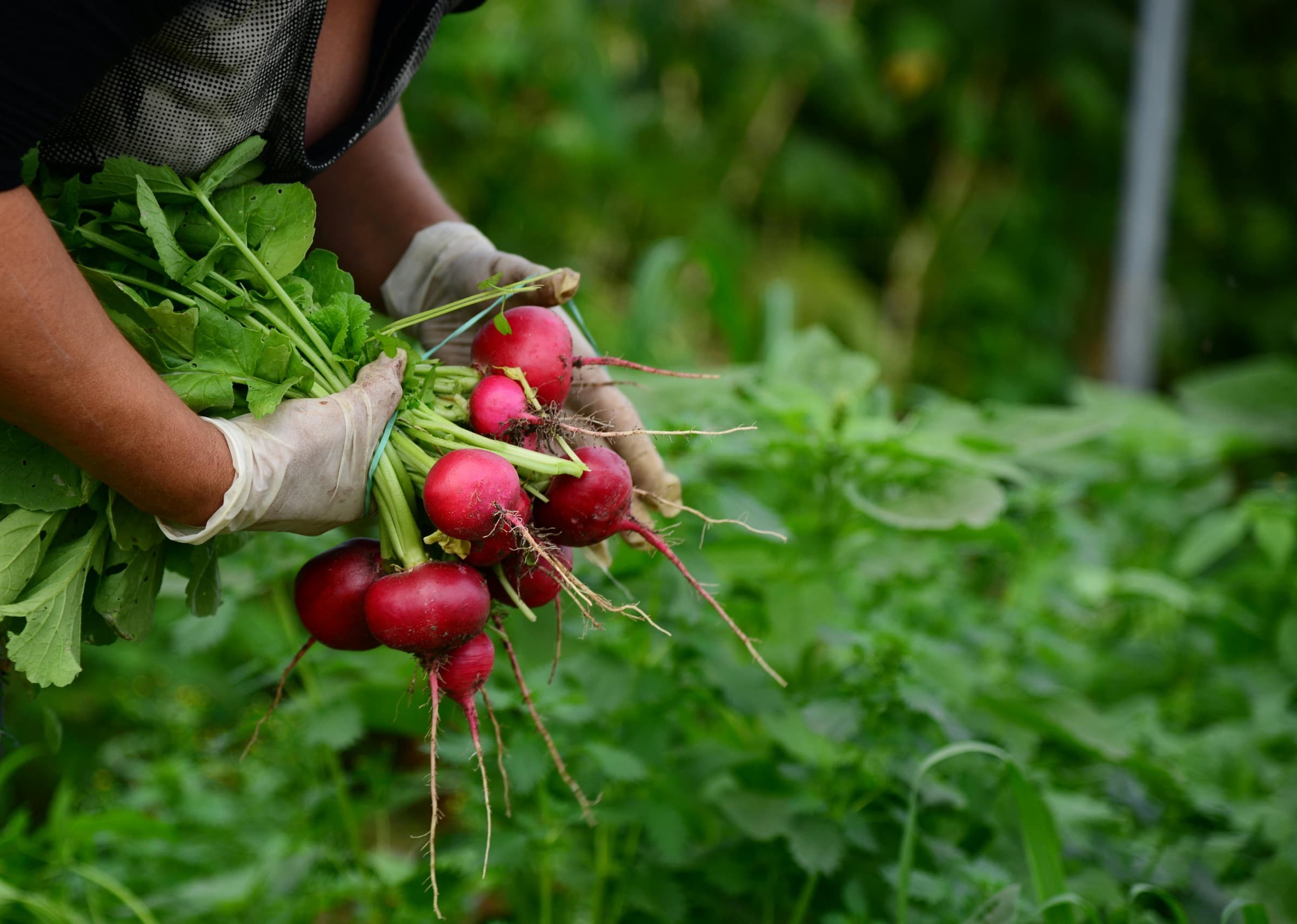
Cover crops for gardens and small farms
Bare soil is soil being lost. A cover crop keeps living roots in the ground between harvests, feeding the soil instead of letting the rain and wind take it.
Never leave the ground bare
A forest floor is never bare. Something is always growing, or something is always falling to cover it. A cover crop brings that habit to a garden bed or a field: plants grown to protect and feed the soil rather than to harvest.
SARE, the Sustainable Agriculture Research and Education program, describes what they do. They slow erosion, which also protects water quality. Grasses add the most organic matter. Their mulch suppresses weeds. And non-legumes scavenge leftover nitrogen so it doesn't wash away. University of Maryland Extension adds that in a garden, they feed soil microbes and release nutrients as they break down.
What the numbers say
SARE's figures come from farms, but they show the scale of what a cover crop can do. Legumes like clover and vetch, which host nitrogen-fixing bacteria in their roots, can fix roughly 50 to 150 pounds of nitrogen per acre. Fall-planted non-legumes can take up 30 to 50 pounds of leftover nitrogen per acre. Across studies, cover crops cut nitrogen losses by an average of 48%.
The benefits build with time. SARE reports that after five straight years of cover cropping, farmers can expect about 3% higher corn yields and 4.9% higher soybean yields.
Pick by season
SARE's handbook, Managing Cover Crops Profitably, profiles dozens of species. These five cover most gardens and small farms:
- Cereal rye, for fall and winter. Seed from late summer to mid-fall in zones 3 to 7. It germinates in very cold soil, holds nitrogen over winter, and is one of the best cool-season covers against small-seeded weeds.
- Oats, for late summer. Cheap and quick. They winter-kill in most of zone 7 and colder, leaving an easy mat of mulch in spring. Seed them about 40 to 60 days before your first killing frost.
- Crimson clover, a fall legume. Seed 6 to 8 weeks before your average first frost. It supplies nitrogen and its nectar draws bees, but it winter-kills in zone 5 and colder.
- Hairy vetch, a fall legume. SARE says few legumes match it for spring growth or nitrogen. Plant 30 to 45 days before a killing frost, often mixed with rye.
- Buckwheat, for summer. Plant after all danger of frost. It sprouts in days, can flower within three weeks, and smothers weeds mainly by shading them out.
When to sow
Fall cover crops are the most common. University of Maryland Extension suggests sowing them from mid-August to mid-October, ideally by about October 1 in Maryland. Adjust for your region: the further north you are, the earlier they need to go in to establish before the ground freezes.
Ending a cover crop
The trick is ending it at the right time. Oats and some other covers die over winter on their own. For the rest, University of Maryland Extension describes garden-scale methods: cut it with a mower, string trimmer, or spade; smother it under a tarp; flatten it with a simple crimper; or turn it under. Then wait about two weeks before planting vegetables.
Timing matters for each species, according to SARE:
- Cereal rye: mow only after it has started flowering. Tilling usually stops regrowth if it's still under a foot tall.
- Hairy vetch: easiest to kill at about half bloom.
- Crimson clover: mowing after the early bud stage kills it; wait two to three weeks before seeding into it.
- Buckwheat: kill it within 7 to 10 days after it starts flowering, before the seeds harden. Mowed before a quarter of it blooms, it grows back.
Cautions
Cereal rye releases compounds that hold back germination. SARE advises waiting three to four weeks after ending rye before sowing small-seeded crops like carrots or onions; the effect usually fades after about a month, and transplants like tomatoes are less affected. University of Maryland Extension also notes rye is harder to kill in spring than wheat.
Hairy vetch can become a weed. SARE notes that 10 to 20% of its seed can stay dormant for a season or more, and its pods shatter easily, so end it at bloom before seed ripens.
Sources
- Cover Crops SARE (Sustainable Agriculture Research and Education)
- Cover Crops for Gardens University of Maryland Extension
- Managing Cover Crops Profitably: Cereal Rye SARE
- Managing Cover Crops Profitably: Oats SARE
- Managing Cover Crops Profitably: Crimson Clover SARE
- Managing Cover Crops Profitably: Hairy Vetch SARE
- Managing Cover Crops Profitably: Buckwheat SARE
General guidance, not advice for a specific site. Local conditions, rules, and your county extension office come first.