
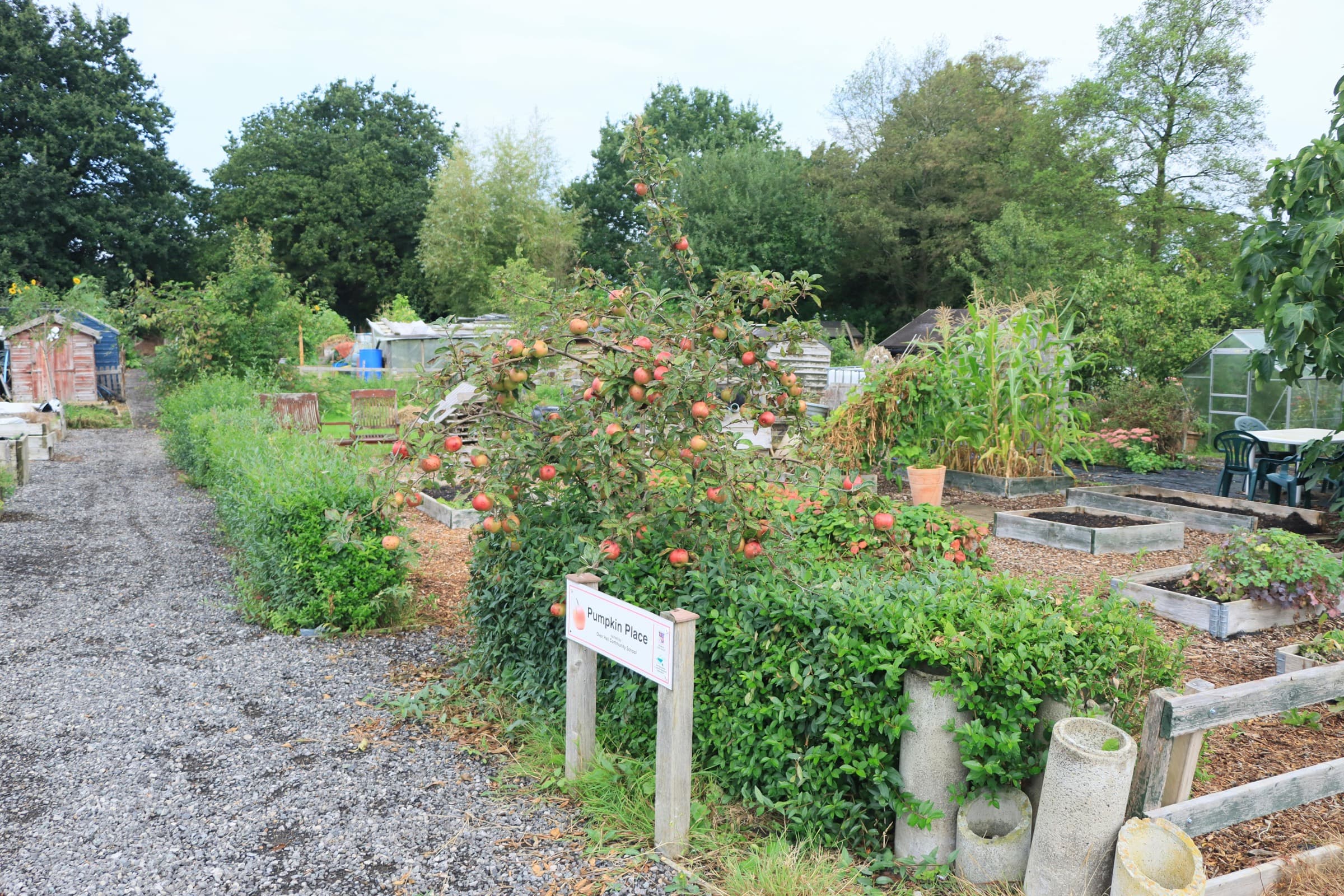
Food forests in cold climates: zones 3 to 5
A long winter doesn't rule out a food forest. It changes which plants you choose and where you put them. Here's how to plan one where the ground freezes hard.
What your zone really means
Cold isn't the enemy of a food forest. Surprise is. The plants that thrive up north are the ones that expect the winter you actually get.
The USDA Plant Hardiness Zone Map divides the country by the average coldest winter night, based on the average annual extreme minimum temperature. Each zone spans 10°F and is split into half zones, a and b. It reflects averages, not the coldest night ever recorded, so a hard winter can still go below your zone.
The map also leaves a lot out. USDA notes it doesn't account for wind, soil type, soil moisture, humidity, snow cover, winter sun, microclimates, or how long a cold snap lasts. Your own site matters as much as the color on the map.
What changed in 2023
USDA released an updated map on November 15, 2023, based on weather data from 1991 to 2020. Compared with the 2012 map, about half the country shifted into the next warmer half zone, and the rest stayed the same.
USDA is careful about why. It credits the newer averaging period, more weather stations, and better mapping methods, and says the changes are not necessarily a reflection of global climate change. Some areas even moved to a cooler zone. Plant for the zone you're in, with a margin for the winters that run colder.
Cold-hardy plants for each layer
University of Minnesota Extension rates a wide range of fruits and nuts for cold climates. These are some of the most useful for a northern food forest, with the zones it lists for each:
- Canopy and nut trees: Korean pine (zones 3–7), black walnut (4–6), hickory (4–8).
- Fruit trees: pear (3–9, needs two varieties), plum (4–9), dwarf sour cherry (2–5).
- Shrubs: honeyberry or haskap (2–7, needs two compatible varieties), Juneberry or serviceberry (2–5), aronia (3–7), black currant (3–5), American hazelnut (3–9), Nanking cherry (4–6), buffaloberry (2–7), elderberry (3–8, though it may not ripen in zone 3).
- Vines: hardy kiwi (3–9, though it may not fruit in zone 3).
- Shrubs for wildlife and edges: highbush cranberry (3–7) and nannyberry (2–8).
Apples and grapes in the north
Apples are the backbone of many northern orchards. University of Minnesota Extension notes that apples need a different variety nearby for pollination, within about 100 feet. It rates Frostbite as extremely cold-hardy and Haralson and Honeycrisp as good to very good for hardiness, while some varieties, like Triumph, aren't recommended for zone 3.
For grapes, the same extension service says Marquette and Frontenac grow very well in zone 4 and do well in zone 3, and Bluebell has excellent hardiness in zone 4. Most seedless grapes need winter protection outside the far south of Minnesota.
Find your frost pockets
Cold air behaves like water: it flows downhill and pools in low spots. University of Minnesota Extension advises keeping fruit out of these frost pockets, removing hedges that dam cold air on a slope, and avoiding forest edges at the bottom of a hill.
Height helps too. Because cold air sinks, fruit trained higher off the ground is more likely to escape a late spring frost. Cold-hardy varieties that need a longer chill before waking up can also bud later, which is an advantage when May still brings frost.
Protect against winter's teeth
In the north, winter damage often comes from animals, not cold. University of Minnesota Extension recommends plastic tree guards around young apple trunks, installed at planting, to protect against voles, rabbits, and sunscald, and fencing where deer are a problem.
The Xerces Society's hedgerow guidance adds underground wire cages around roots where burrowing rodents are a problem, and guards against deer browsing and antler rubbing.
Sources
- How to Use the Maps USDA Agricultural Research Service
- USDA Unveils Updated Plant Hardiness Zone Map USDA Agricultural Research Service
- Map Creation USDA Agricultural Research Service
- Growing edible fruits and nuts University of Minnesota Extension
- Growing apples in the home garden University of Minnesota Extension
- Growing grapes in the home garden University of Minnesota Extension
- Escaping spring frost in the Upper Midwest University of Minnesota Extension
- Hedgerow Planting (422) for Pollinators: Pennsylvania Xerces Society
General guidance, not advice for a specific site. Local conditions, rules, and your county extension office come first.